- English
- Español
- Português
- русский
- Français
- 日本語
- Deutsch
- tiếng Việt
- Italiano
- Nederlands
- ภาษาไทย
- Polski
- 한국어
- Svenska
- magyar
- Malay
- বাংলা ভাষার
- Dansk
- Suomi
- हिन्दी
- Pilipino
- Türkçe
- Gaeilge
- العربية
- Indonesia
- Norsk
- تمل
- český
- ελληνικά
- український
- Javanese
- فارسی
- தமிழ்
- తెలుగు
- नेपाली
- Burmese
- български
- ລາວ
- Latine
- Қазақша
- Euskal
- Azərbaycan
- Slovenský jazyk
- Македонски
- Lietuvos
- Eesti Keel
- Română
- Slovenski
- मराठी
- Srpski језик

Which Bluetooth Speaker Features Actually Matter for Real Life Use?
Article Abstract
I’ve bought (and returned) more than one Bluetooth Speaker because the spec sheet looked perfect—but the experience didn’t match real life. In this guide, I’ll break down the “must-have” features that actually affect daily listening: connection stability, driver tuning, battery behavior, durability (including waterproof ratings), and the small details that decide whether a speaker becomes a favorite or a dust collector. I’ll also share a practical checklist and a feature-to-scenario table you can use before you request quotes or place bulk orders. Along the way, I’ll reference the manufacturing perspective from Dongguan SYNST Electronics Co., Ltd. (OEM/ODM mindset, materials, and quality-control priorities) so this isn’t just another consumer fluff post.
Contents
- Outline
- What problems do buyers actually face?
- What core features should you check first?
- What does “good sound” mean in a Bluetooth speaker?
- How should you evaluate battery and charging behavior?
- How do you judge durability and waterproofing?
- Which features match which scenarios?
- How can procurement teams reduce risk?
- FAQs
- Closing notes and next step
Outline
- Identify common pain points when choosing a Bluetooth Speaker
- Prioritize connection stability, sound tuning, battery, and durability
- Translate specs into real usage outcomes (room size, noise level, and placement)
- Use a scenario table to avoid mismatched purchases
- Apply an OEM/ODM-style procurement checklist to minimize returns and complaints
What problems do buyers actually face?
If you’re shopping for a Bluetooth Speaker, you’re usually trying to solve one of these practical problems: you want music without cables, you need something portable, you want it to survive travel, or you’re buying in quantity and can’t afford a high return rate. The catch is that many “features” are marketing labels that don’t translate into better day-to-day use.
Where the disappointment usually starts
- “The connection drops” even within the same room (often a stability + environment issue, not just “Bluetooth version”).
- “It’s loud but harsh” (power output exists, tuning doesn’t).
- “Battery life feels inconsistent” (volume, lighting modes, and aging change the real number).
- “Waterproof means… until it doesn’t” (rating misunderstood, ports not sealed, misuse scenarios not defined).
- “The build feels cheap” (housing material, structural design, and QC thresholds were optimized for price only).
This is why I like to evaluate speakers the way a manufacturer would. For example, Dongguan SYNST Electronics Co., Ltd. presents its Bluetooth speaker lineup from a “materials + structure + electronics + inspection” angle—because that’s what controls consistent outcomes at scale. Even if you’re buying one unit, you can borrow that mindset.
What core features should you check first?
Connection stability and usability
A Bluetooth Speaker is only as good as the connection experience. I look for fast pairing, stable playback, and predictable behavior when switching devices. In real environments—apartments with many Wi-Fi networks, offices with lots of devices, outdoor events—stability matters more than a flashy spec line.
- Does it reconnect quickly after you walk out of range?
- Does it keep audio stable when you put the phone in a pocket or bag?
- Is the control layout intuitive (buttons you can find without looking)?
Materials and structural design
This is where “cheap” versus “reliable” often shows up. Many reputable manufacturers use durable plastics (commonly ABS) because it can handle impact, temperature swings, and everyday drops better than brittle alternatives. More importantly, the internal structure—how the drivers are mounted, how the enclosure is reinforced—affects both sound and lifespan.
Real features that change how you use it
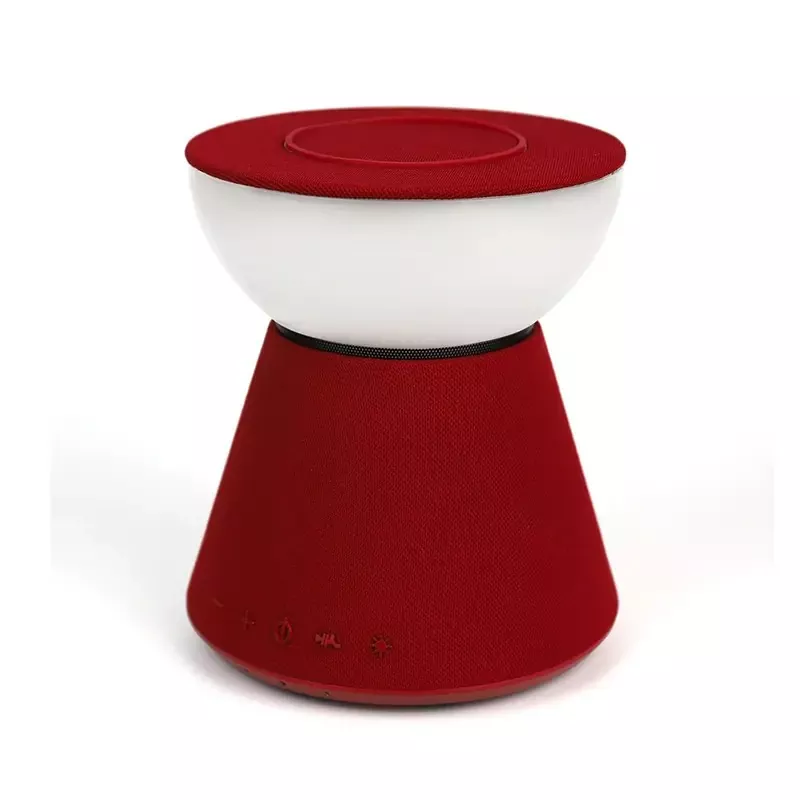
- Speakerphone for calls in kitchens, workshops, or shared spaces
- LED ambient lighting for bedside, camping, or mood lighting
- Wireless charging integration to reduce cable clutter on desks or nightstands
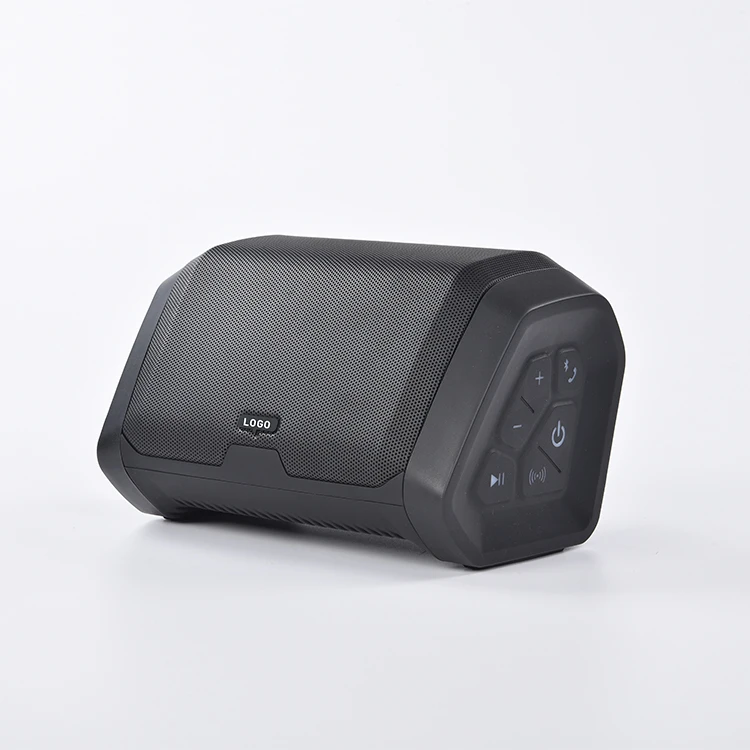
- Rugged + waterproof for poolside and outdoors (more on ratings below)
What does “good sound” mean in a Bluetooth speaker?
“Good sound” is contextual. A mini bluetooth speaker that sounds great at a desk may fall apart outdoors. So I judge sound by whether it fits the job: does it stay balanced at the volume you actually use, and does it remain pleasant over time?
My practical listening checklist
- Vocal clarity: Can you hear lyrics or dialogue without cranking treble?
- Low-end control: Is bass present without turning into a “boomy” blur?
- Volume headroom: Does it stay clean when you push it?
- Room behavior: Does it sound fine only in one position, or broadly consistent?
Why multi-driver setups can help
Some designs use more than one driver to improve fullness and projection. That doesn’t automatically mean “better,” but it can help a portable bluetooth speaker fill space more evenly—especially for gatherings. The real secret is still tuning and enclosure design, not just driver count.
How should you evaluate battery and charging behavior?
Battery life claims are often measured at lower volumes with “extra features” turned off. If you’re buying a bluetooth speaker with LED light, remember that lighting modes can meaningfully affect runtime. I treat battery life as a range, not a single number.
Questions I ask before trusting a battery claim
- What volume level was used for the test?
- Were LED modes on or off?
- How long does it take to recharge from low battery?
- Does it support safe charging behavior for daily use (heat management, stable power input)?
For desks and bedrooms, a bluetooth speaker with wireless charging can be a surprisingly “sticky” feature—fewer cables, easier habits. For outdoors, I care more about predictable runtime, a clear battery indicator, and reliable charging compatibility.
How do you judge durability and waterproofing?
If you’re shopping for a waterproof bluetooth speaker, don’t treat “waterproof” as a blanket promise. What matters is the rating, the design details (sealed ports, gaskets, enclosure fit), and your real scenario. A speaker built for poolside use should anticipate splashes, humidity, and accidental drops.
What IP67 typically implies (in plain English)
- Dust resistance suitable for outdoors
- Water resistance designed for accidental immersion within defined limits
- Still not invincible: charging-port covers, wear-and-tear, and misuse can defeat the rating
Many buyers also ignore shock/impact behavior. A well-designed IP67 bluetooth speaker often includes structural choices that improve survivability in “harsh-but-normal” life: backpack travel, camping tables, sand, and the occasional “oops.”
Which features match which scenarios?
Use this table to map your scenario to the features that reduce regret. It’s written to help both individual buyers and sourcing teams deciding on a product brief.
| Scenario | Recommended Bluetooth Speaker Type | Features to Prioritize | Common Mistake to Avoid |
|---|---|---|---|
| Bedroom / nightstand | Compact / multifunction | Low-noise operation, easy controls, warm lighting, optional wireless charging | Buying “party loud” sound that’s tiring at night |
| Office / calls | Desk-friendly | Speakerphone, stable connection, clear mids (voice), tidy footprint | Choosing bass-heavy tuning that buries voices |
| Camping | portable bluetooth speaker | Battery range, rugged build, carry handle/strap, usable buttons | Ignoring dust/impact realities |
| Poolside / beach | waterproof bluetooth speaker | IP67 bluetooth speaker, sealed design, stable playback outdoors | Assuming any “waterproof” label equals IP-rated performance |
| Outdoor parties | Louder portable | Projection, clean high volume, long runtime, quick pairing | Overbuying wattage without checking distortion at high volume |
| Retail / bulk sourcing | OEM/ODM-ready models | QC process clarity, material consistency, customization options | Skipping pre-production samples and acceptance criteria |
One more tip if you’re sourcing at scale
If you’re working with an OEM ODM bluetooth speaker manufacturer, ask for documentation around inspection points: incoming material checks, assembly tolerances, and functional tests (Bluetooth stability, lighting modes, waterproof sealing verification where relevant). That’s the boring stuff that saves you from expensive problems later.
How can procurement teams reduce risk?
This is the section I wish more buyers used before they emailed “price please.” Whether you’re importing for retail or building a branded line, align expectations early. Manufacturers like Dongguan SYNST Electronics Co., Ltd. often support OEM/ODM projects—so you can specify appearance, functions, and scenario requirements—but you need a clear brief.
My OEM/ODM-style checklist
- Define the scenario: indoor, outdoor, pool, restaurant ambience, bedside, etc.
- Define the must-haves: waterproof rating, lighting modes, speakerphone, wireless charging, size limits.
- Define acceptance criteria: pairing stability, button response, battery indicator behavior, cosmetic standards.
- Request samples: test in real environments (not just at a quiet desk).
- Confirm materials: housing (often ABS for durability), grille, port covers, and internal mounting.
- Plan packaging: drop resistance, humidity protection, and clear user instructions.
When I evaluate any Bluetooth Speaker for procurement, I’m not chasing “most features.” I’m chasing “least surprises.” That’s how you protect reviews, reduce returns, and make repeat orders easier.
EEAT Notes
Who wrote this and why you can trust the framework
I’m writing from a practical “buyer + evaluator” perspective: translating specs into what actually happens in rooms, bags, and outdoor spaces. I also incorporate a manufacturer-style view (materials, structure, QC points) because it’s the fastest way to spot what will stay reliable after hundreds or thousands of units.
How I recommend testing a Bluetooth speaker
- Test pairing and reconnection in at least two environments (home + outside)
- Play vocals and bass-heavy tracks at low and high volume
- Use lighting modes (if present) for 20–30 minutes and check heat + battery drop
- Check button feel and port sealing (especially for waterproof models)
FAQs
What should I prioritize first when buying a Bluetooth Speaker?
Start with connection stability and the scenario you’ll use it in most. A great Bluetooth Speaker is one that behaves predictably: stable playback, easy controls, and sound that stays pleasant at your normal volume.
Is an IP67 Bluetooth speaker always the best choice?
Not always. If you only listen indoors, you might trade rugged sealing for smaller size, better aesthetics, or a lower price. But if you’re near water, dust, or outdoor travel, an IP67 bluetooth speaker is a smart insurance policy.
Do LED lights reduce battery life on a Bluetooth speaker?
Usually yes, especially dynamic or “music rhythm” lighting. If you want lighting for ambience, treat battery life as a range and ask how runtime changes with lighting enabled.
What’s the difference between a mini bluetooth speaker and a portable bluetooth speaker?
“Mini” typically emphasizes compact size for near-field listening (desk, travel bag). “Portable” often implies more output, longer battery, and sometimes a handle/strap—better for outdoor use or small gatherings.
Can I customize a Bluetooth speaker for my brand?
Many manufacturers support OEM/ODM customization—appearance, features (like lighting or charging), and packaging. If you’re exploring this route with Dongguan SYNST Electronics Co., Ltd., come prepared with a scenario brief and acceptance criteria so sampling and development stay efficient.
Closing notes and next step
Choosing the right Bluetooth Speaker gets easy when you stop chasing buzzwords and start matching features to real life. Decide where it will live (bedroom, office, pool, campsite), lock in the non-negotiables (stability, tuning, battery, durability), and use the checklist above to avoid expensive “almost-right” purchases.
If you’re building a product line or sourcing for retail and want a clear, scenario-driven recommendation—including options like waterproof builds, multifunction designs, and OEM/ODM customization—contact us to discuss your target market and requirements. I’ll take “random specs” off your plate and help you move toward a confident, quote-ready brief.