
- English
- Español
- Português
- русский
- Français
- 日本語
- Deutsch
- tiếng Việt
- Italiano
- Nederlands
- ภาษาไทย
- Polski
- 한국어
- Svenska
- magyar
- Malay
- বাংলা ভাষার
- Dansk
- Suomi
- हिन्दी
- Pilipino
- Türkçe
- Gaeilge
- العربية
- Indonesia
- Norsk
- تمل
- český
- ελληνικά
- український
- Javanese
- فارسی
- தமிழ்
- తెలుగు
- नेपाली
- Burmese
- български
- ລາວ
- Latine
- Қазақша
- Euskal
- Azərbaycan
- Slovenský jazyk
- Македонски
- Lietuvos
- Eesti Keel
- Română
- Slovenski
- मराठी
- Srpski језик

Why Are Magnetic Wireless Chargers Becoming More Popular?
With the rapid development of mobile devices, charging technology has continued to evolve from traditional wired charging to wireless charging solutions. Among these innovations, the Magnetic Wireless Charger has attracted increasing attention because it combines wireless power transfer with magnetic alignment technology.
Compared with traditional charging methods, magnetic wireless chargers offer a more convenient user experience by allowing devices to automatically align with the charging area. This simple design improvement has changed the way many people charge their smartphones and other electronic devices.
So, why are magnetic wireless chargers becoming more popular, and what makes them different from conventional wireless charging solutions?
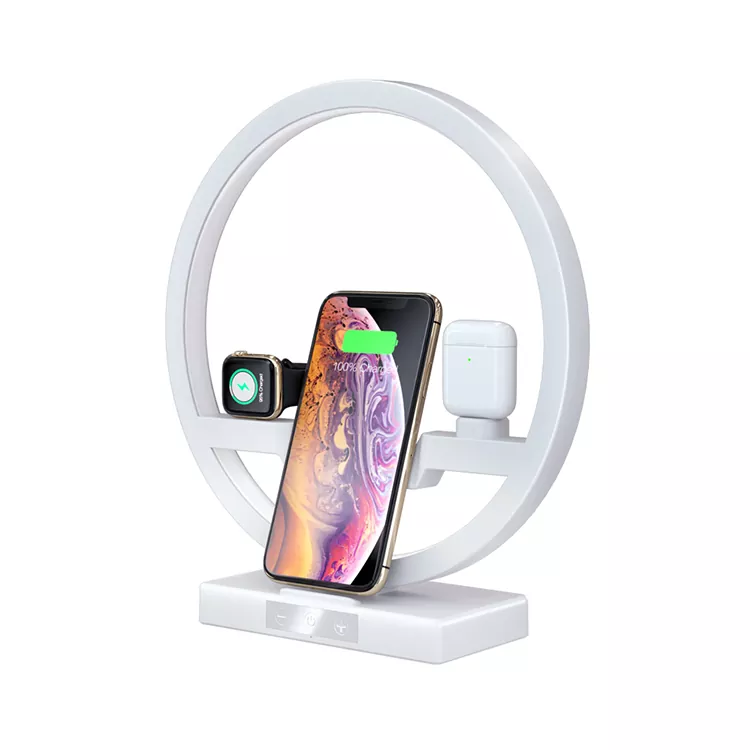
What Is a Magnetic Wireless Charger?
A magnetic wireless charger is a charging device that uses magnetic positioning technology to connect and align with compatible electronic devices while transferring power wirelessly.
Unlike traditional wireless charging pads, which require users to carefully place the device in the correct position, magnetic wireless chargers use built-in magnets to help the device stay aligned with the charging coil.
A typical magnetic wireless charger includes:
- Wireless charging coil
- Magnetic alignment system
- Power control chip
- Heat management structure
- Protective housing
How Does Magnetic Wireless Charging Work?
Magnetic wireless charging combines two technologies: electromagnetic power transfer and magnetic positioning.
The basic charging process is:
Power source
↓
Charging coil creates electromagnetic field
↓
Device receiving coil captures energy
↓
Electrical energy charges the battery
The magnetic system helps ensure that the transmitting and receiving coils stay properly aligned, improving charging stability.
Why Are Magnetic Wireless Chargers Becoming More Popular?
1. Easier Device Alignment
One of the biggest advantages of magnetic wireless chargers is automatic positioning.
With traditional wireless chargers, users need to place their phones in the correct location. If the charging coil is not aligned properly, charging efficiency may decrease or charging may stop.
Magnetic alignment helps solve this problem by guiding the device into the correct charging position.
2. More Convenient Daily Charging
Charging a phone several times a day is a common routine. A magnetic wireless charger makes the process simpler:
- Attach the device
- Start charging automatically
- Remove easily when needed
This convenience is especially useful for people who frequently use their phones during work, travel, or entertainment.
3. Better Charging Stability
A common challenge with traditional wireless charging is movement during charging.
If a device shifts away from the charging area, power transfer may become unstable. Magnetic positioning helps keep the charging connection stable.
4. Cleaner and More Organized Spaces
Without the need for charging cables connected directly to the device, magnetic wireless chargers help create cleaner desk and bedside setups.
This makes them popular for:
- Office desks
- Bedrooms
- Travel setups
- Car charging systems
Magnetic Wireless Charger vs Traditional Wireless Charger
| Feature | Magnetic Wireless Charger | Traditional Wireless Charger |
|---|---|---|
| Device Alignment | Automatic magnetic positioning | Manual positioning required |
| Charging Stability | More stable connection | May stop if device moves |
| Daily Convenience | Attach and charge easily | Requires correct placement |
| Portability | Suitable for mobile use | Mainly used as a charging surface |
| User Experience | More interactive and convenient | Basic wireless charging function |
The Role of Magnets in Wireless Charging
Magnets do not directly provide charging power. Their main purpose is positioning and stability.
The charging process still relies on electromagnetic induction, while the magnets help:
- Align charging coils
- Reduce positioning errors
- Maintain connection stability
- Improve user convenience
Applications of Magnetic Wireless Chargers
Magnetic wireless charging technology is being used in various scenarios.
Smartphones
Mobile phones are currently one of the most common applications, providing a convenient alternative to traditional cable charging.
Car Charging Systems
Magnetic chargers can help drivers easily place and charge devices while keeping the interior organized.
Wearable Devices
Smart watches and other compact electronic products can benefit from precise magnetic positioning.
Office and Home Accessories
Magnetic charging stands and desktop charging stations provide flexible charging solutions for daily environments.
Does Magnetic Wireless Charging Affect Battery Life?
Many users are concerned about whether wireless charging technology affects battery performance.
Modern charging systems usually include protection features such as:
- Temperature monitoring
- Overcharge protection
- Power control management
- Charging optimization systems
Properly designed magnetic wireless chargers are developed to manage charging conditions and improve user safety.
Future Trends of Magnetic Wireless Charging
As electronic devices become more integrated into daily life, wireless charging technology is expected to continue developing.
Future trends may include:
- Higher charging efficiency
- Better thermal management
- Multi-device charging solutions
- Thinner charging designs
- Wider compatibility
Conclusion
Magnetic wireless chargers are becoming more popular because they solve one of the biggest problems of traditional wireless charging — device positioning.
By combining wireless power transfer with magnetic alignment technology, they provide a simpler, cleaner, and more stable charging experience.
As mobile devices continue to evolve, magnetic wireless charging is likely to remain an important part of the future charging ecosystem.